

Understanding the psychological triggers behind casino gaming decisions
The allure of risk and reward
One of the primary psychological triggers that attract individuals to casino gaming is the inherent thrill of risk-taking combined with the potential for substantial rewards. This phenomenon, known as the risk-reward ratio, plays a crucial role in gambling behavior. The excitement of potentially winning big can overshadow the rational assessment of probabilities, leading individuals to make impulsive decisions. This allure is amplified in environments designed to enhance sensory experiences, such as the flashing lights and engaging sounds of a casino floor. Many players now gravitate toward platforms like app plinko, where luck and strategy intertwine seamlessly.
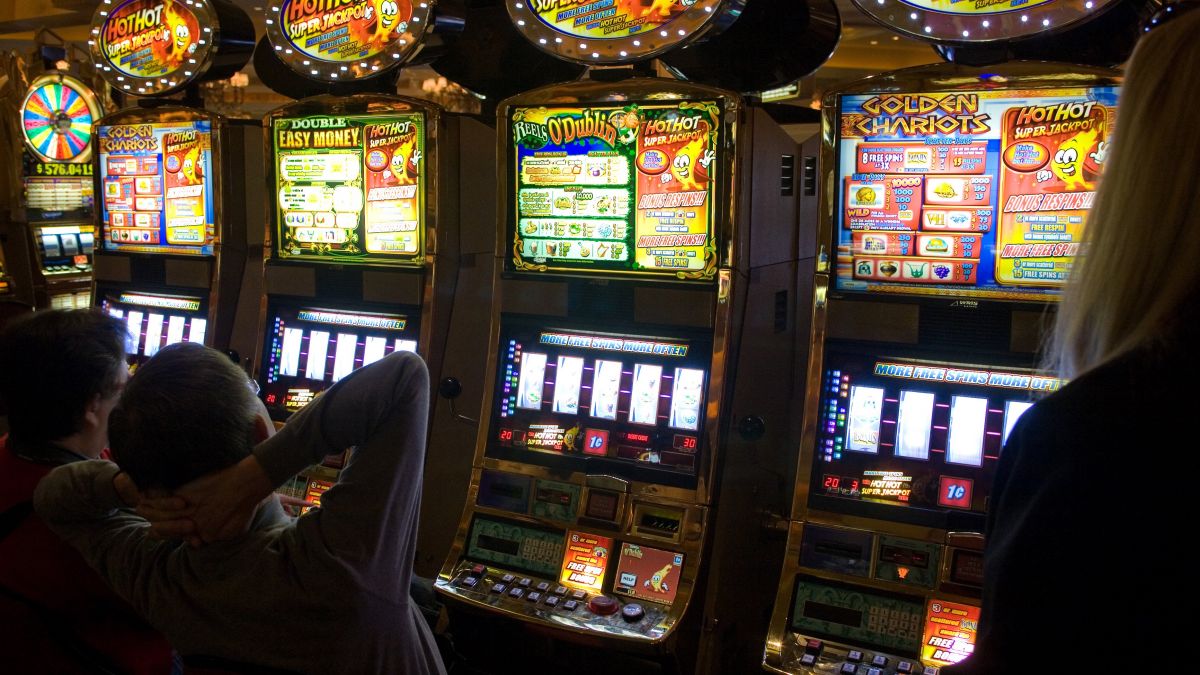
Moreover, the unpredictability of games adds to this sense of excitement. Players often feel a rush when they place a bet and await the outcome, whether it’s the spin of a slot machine or the roll of the dice. This emotional rollercoaster activates the brain’s reward system, releasing neurotransmitters like dopamine. As players experience wins, even small ones, they are likely to return to the gaming environment, motivated by the anticipation of future rewards.
This craving for risk and reward can lead to a cycle of behavior that is difficult to break. The concept of variable reinforcement, where rewards are given intermittently, can keep players engaged longer than if they received consistent payouts. This unpredictability can condition players to return, fostering a habit that can escalate into compulsive gaming behavior over time, highlighting the powerful psychological influences at play.
Social influences and peer pressure
Social factors significantly impact gaming decisions, with peer influence often shaping individuals’ perceptions of gambling. The social acceptance of gambling can create an environment where individuals feel encouraged to participate. In many cultures, gambling is celebrated as a communal activity, whether it’s a night out at a casino or engaging in sports betting with friends. This sense of belonging can make individuals more likely to gamble, as they want to fit in with their social circles.
Moreover, social media plays a crucial role in promoting gambling behaviors. With the rise of online platforms, players can easily share their successes and experiences, often painting a glamorous picture of gambling. Such portrayals can skew individuals’ perceptions of the risks involved, making the potential losses seem negligible in comparison to the joy of winning and the thrill of socialization. This dynamic further complicates responsible decision-making in gambling contexts.
Additionally, the presence of social proof—the idea that people are more likely to engage in a behavior if they see others doing it—can drive individuals toward gambling. When players observe others celebrating wins, they may feel compelled to join in, believing they, too, could experience similar excitement. This phenomenon illustrates the complex interplay of social influences and individual decision-making in the realm of casino gaming.
The impact of emotions and mood states
Emotions play a pivotal role in gambling decisions, often leading players to make choices based on their current mood rather than rational thought. For instance, individuals experiencing stress or anxiety might turn to gambling as a form of escapism. The temporary thrill and distraction provided by casino games can offer a respite from everyday pressures, leading to a cycle where individuals rely on gambling to cope with their emotions.
Conversely, positive emotions can also lead to increased gambling activity. When individuals feel happy or euphoric, they may be more likely to engage in risk-taking behavior, convinced that their good mood will translate into successful outcomes. This emotional state can cloud judgment, pushing players to gamble more than they originally intended. The highs of winning can also lead to overconfidence, prompting further risky decisions.
Understanding this emotional connection is vital for recognizing how feelings can skew gambling behavior. Players may not fully comprehend the motivations driving their choices, leading to patterns of behavior that could result in negative consequences. By acknowledging the impact of emotions, both players and professionals in the gaming industry can work towards fostering healthier gaming habits and promoting responsible gambling practices.
The role of cognitive biases
Cognitive biases significantly influence decision-making in casino gaming. One common bias is the illusion of control, where players believe they can influence random outcomes, such as the roll of dice or the spin of a slot machine. This misguided belief can lead to an overestimation of one’s chances of winning, prompting increased betting and risk-taking behavior. Players may persist in their strategies, convinced that luck or skill is on their side, despite statistical evidence to the contrary.
Another prevalent bias is the gambler’s fallacy, which is the erroneous belief that past events will influence future outcomes in random games. For example, if a player witnesses a series of losses, they may irrationally believe that a win is “due” to occur. This thinking can drive players to continue gambling, often leading to greater losses in the hope of recouping their previous bets. Such biases can severely distort rational decision-making in the casino environment.
Moreover, confirmation bias can also play a role, wherein players selectively focus on information that confirms their existing beliefs about gambling. For instance, a player might remember only their wins and forget their losses, reinforcing their commitment to gambling. These cognitive distortions can make it challenging for players to engage in realistic evaluations of their gaming habits, ultimately leading to problematic behavior. Recognizing these biases is crucial for both players and the industry to promote more informed and responsible gambling practices.

Exploring the future of gaming behavior
As the landscape of casino gaming evolves, so do the psychological triggers that influence player decisions. With advancements in technology, such as virtual reality and mobile gaming, new dimensions of engagement and immersion are being introduced. These innovations may further amplify the existing psychological triggers, leading to even more intense gaming experiences. The ease of access to gaming platforms also raises concerns about responsible gambling as players navigate these digital spaces.
Furthermore, the emergence of data analytics in the gaming industry allows for a deeper understanding of player behavior. Casinos and gaming platforms can analyze patterns, motivations, and triggers associated with their players. This information can be used to tailor experiences, potentially enhancing engagement but also posing ethical questions about how such data is utilized to influence gambling behavior.
Ultimately, as the psychological aspects of gaming decisions continue to be studied and understood, there is an opportunity for the industry to promote healthier gambling practices. By focusing on responsible gaming initiatives and utilizing insights from psychological research, casinos can create safer environments that protect players while still offering engaging experiences. The ongoing conversation about the psychology of gambling will shape the future of the industry and its approach to player engagement and responsibility.